Tag: TPM
-

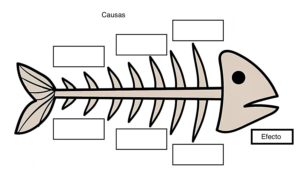
Cause and Effect Diagram – Fishbone
To find and understand the causes, not just the symptoms. What is it? It's a graphical representation that relates an EFFECT (Problem, Symptom, Quality Characteristic, or Topic under study) to all the possible CAUSES or factors that generate it. It was developed in 1953 by Professor Kaoru Ishikawa in Tokyo. It is also…
-

Skill Matrix: A Simple, Mind-Bending Tool
In many (perhaps most?) companies, there's a cycle that unfolds almost unchanged: a form or process to identify training needs, a plan, and implementation. Sometimes, training programs also arise not from current needs but from future plans, or even from prejudices or assumptions. What are the results?
-

The Magic Questions. 5W2H
5W2H is a very versatile and simple tool. It's used to aid in planning, brainstorming, analyzing root causes, defining a problem, and so on.

-

GUT Method for Prioritizing Activities
We often find ourselves with countless tasks to do, making it difficult to decide where to begin. Time and/or available resources can be limiting factors when trying to figure out where to start. One thing is clear: the best way to do nothing is to try to do everything at once. It's more effective to progress little by little…
-
TPM is something else
Every company needs to gain and maintain competitiveness to survive. Many seek to achieve this goal through systems that support their improvement efforts. Some attempt it through profound changes in their principles and practices. Very few understand that TPM is more than a maintenance system or a "system of…
-

From Total Productive Maintenance to Total Performance Management. Our approach to TPM.
TPM is a management methodology that originated in Japan over 40 years ago and quickly spread to the rest of the world due to the excellent results it produces: a drastic optimization of business assets through the development of people. While in its beginnings, and as its acronym suggests…