Tag: TPM
-

Why implement the 5 “S”?
Behind the simple steps of the 5S methodology lies a much deeper and more transcendental meta-learning process whose impact is enormous, both organizationally and personally. We're referring to the development of good work practices. And this is the true objective of the methodology: to make work more effective.

-

Follow-up Audits
Frequently asked question: Why don't traditional audits work? Control is an illusion. Stephen R. Covey. The traditional way of conducting audits doesn't work because, no matter how many times they are performed, few changes are seen as a result. In other words, there is little personal and organizational learning. – And why is that? – Because…
-

TPM – Frequently Asked Questions: How to Implement It Correctly? The Coordinator's Role
Every change process, to be successfully managed, requires someone to coordinate it, monitor its progress, and take responsibility for the results achieved. In TPM, this role is filled by the Coordinator. Having defined the motivation for initiating the transformation project, clarified the goals to be achieved, and…
-

TPM – Frequently Asked Questions: What is the first step to a successful TPM implementation?
Implementing a profound change process like TPM requires a clear understanding of the motivations behind it. It involves having convincing answers to questions such as:
-

The Purchasing Role: Buying by Price or Buying by Cost
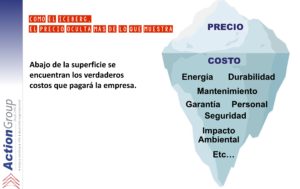
With the implementation of TPM, there is a significant paradigm shift regarding the role of the Purchasing Department. Before TPM, the Purchasing Department was measured by how much money it helped save by looking at the purchase price. All the buyers' efforts were focused on obtaining and "negotiating" prices. In the…
-

The 5 Gen Philosophy: Keys to Understanding TPM
TPM is the path that leads a company to excellence. It doesn't matter the size or the industry sector. TPM teaches healthy habits for managing the 4Ps (Processes, People, Plant = Machines, and Products or Services delivered) by adopting a mindset or paradigm centered on the philosophy of the 5 Generations…